Top highlights of the province of Jaén
Renaissance towns, Spain's largest nature park and a castle on every hill: the best of Jaén, in a nutshell.
Key points
- Úbeda and Baeza have been a UNESCO World Heritage Site since 2003 for their Renaissance monumental ensembles.
- The Sierras de Cazorla, Segura y Las Villas Nature Park is Spain's largest protected area: 209,920 hectares.
- Jaén has more than 65 million olive trees: olive oil is its landscape, its cooking and its festival.
- Castles all over the province, the legacy of the Iberians and a free tapa with every drink in the capital.
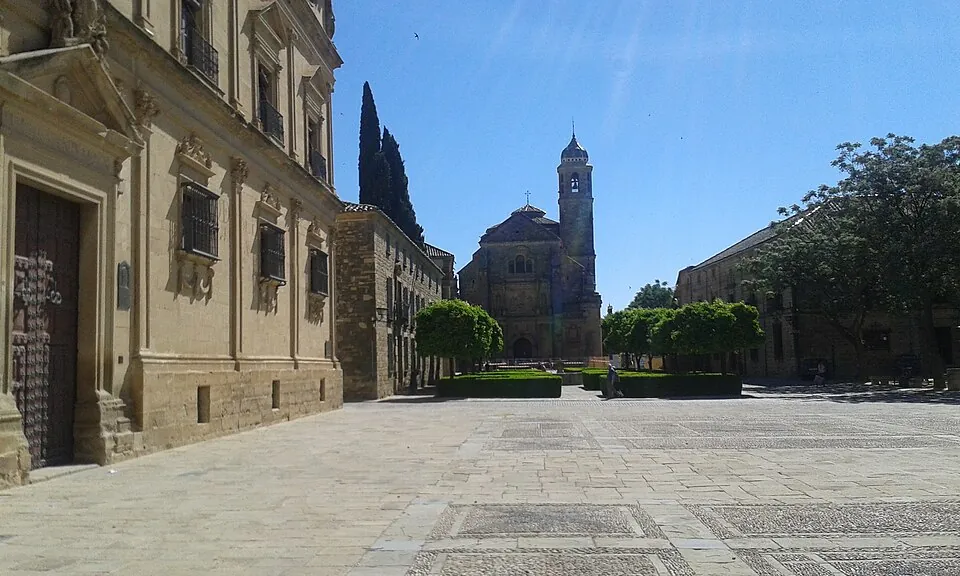
Jaén is the most surprising province in Andalusia for first-time visitors. It has no coastline, but it has an ocean of olive trees covering hills and plains as far as the eye can see. Out of that green sea rise Renaissance towns, a castle on every hilltop and some of the wildest mountains in the Iberian Peninsula. These are its ten must-sees.
Jaén's top ten
Úbeda and Baeza
Two neighbouring towns, 9 km apart, with the finest Renaissance architecture in Spain: the Sacra Capilla del Salvador, Plaza Vázquez de Molina, Baeza Cathedral and the Jabalquinto Palace.
Jaén Cathedral
Andrés de Vandelvira's masterpiece and a model for cathedrals in the Americas. It keeps the Holy Face relic.
The Sierra de Cazorla
The source of the Guadalquivir, the Río Borosa trail, the Cerrada del Utrero gorge and villages such as Cazorla and La Iruela below their castles.
Santa Catalina Castle
The fortress watching over the capital, with the great white cross and an unforgettable view of the city and the olive groves.
Segura de la Sierra and Hornos
Villages perched on the rock, with castles and views over the Tranco reservoir.
Baños de la Encina
Burgalimar Castle, with its 14 towers, is one of the best-preserved Moorish fortresses in Europe.
The Journey to the Time of the Iberians
The Iberian Museum in Jaén, the ancient city of Cástulo and the Puente Tablas oppidum: Spain's best Iberian route.
Andújar and its mountains
Home of the Iberian lynx and of the Virgen de la Cabeza pilgrimage, the oldest in Spain.
Fortaleza de la Mota
A walled citadel on a hill in Alcalá la Real, once the sentinel of the frontier with the Nasrid kingdom of Granada.
Olive oil
Visit an olive mill, taste freshly made extra virgin oil and walk through the groves: the most Jaén experience of all.
Why travel to Jaén
Distances and climate
Jaén city lies in the middle of the province: almost everything is less than an hour and a half away by car. The Cazorla and Segura mountains, to the east, take longer because of their winding roads.
- Martos25 km
- Baeza48 km
- Linares52 km
- Úbeda57 km
- Huelma55 km
- Andújar66 km
- Baños de la Encina70 km
- Alcalá la Real73 km
- La Carolina80 km
- Cazorla102 km
- Despeñaperros95 km
- Segura de la Sierra150 km
Rounded figures by the most usual route. Mountain roads (Cazorla, Segura) are slow: allow extra time.
Summers are very hot in the countryside and the capital; spring and autumn are the best seasons for villages and mountains. In winter, the olive harvest fills the province with life and it is the time to taste the new oil.
Very hot summers and cool winters; several degrees cooler in the Cazorla and Segura mountains, with snow in some winters. Source: AEMET, Jaén station, climate normals.
Getting there
A car is the easiest option: the A-4 motorway crosses the north of the province through Despeñaperros and Bailén, and the A-44 links Jaén with Granada. Trains run from Madrid to Linares-Baeza and Jaén, and the nearest airports are Granada and Málaga. Hire a car to get around villages and mountains.
Frequently asked questions
How many days do you need for Jaén?
One or two days for Úbeda and Baeza; with the capital, Cazorla and a few castles, allow four to six.
When is the best time to visit Jaén?
Spring and autumn, for the mild weather. In winter you can experience the olive harvest; summer is very hot except in the mountains.