Úbeda and Baeza
Two sister towns, 9 km apart, with the finest Renaissance architecture in Spain.
Key points
- The Renaissance monumental ensembles of Úbeda and Baeza have been a UNESCO World Heritage Site since 2003.
- The two towns are 9 km apart and can be seen in one day; two days is better.
- Architect Andrés de Vandelvira built his finest works here: the Sacra Capilla del Salvador and the Hospital de Santiago.
- In November and December, the Early Music Festival fills churches and palaces with concerts.
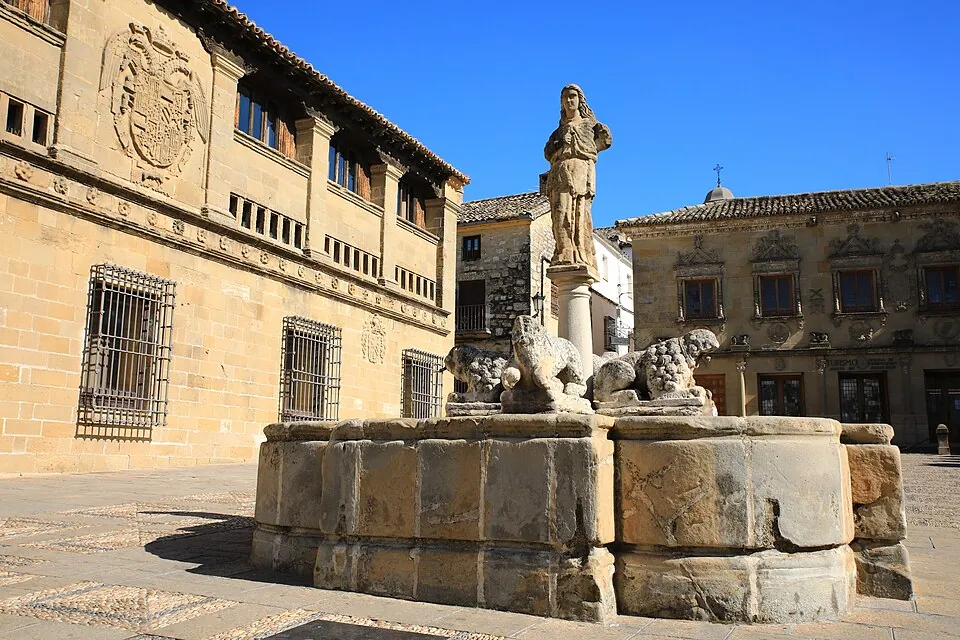
In the La Loma area, above a sea of olive trees, two sister towns preserve Spain's finest Renaissance ensemble. In the 16th century, the nobility and clergy of Úbeda and Baeza built palaces, churches and hospitals in a style of their own that later travelled to the Americas. UNESCO recognised that legacy in 2003: the way the ideas of Italian humanism were adapted here and then spread throughout the Spanish-speaking world.
Úbeda
Plaza Vázquez de Molina is one of the most beautiful squares in Andalusia. Around it stand the Sacra Capilla del Salvador, the funerary chapel of Francisco de los Cobos; the Palacio de las Cadenas, now the town hall; the basilica of Santa María de los Reales Alcázares; and the parador, in the Deán Ortega palace.
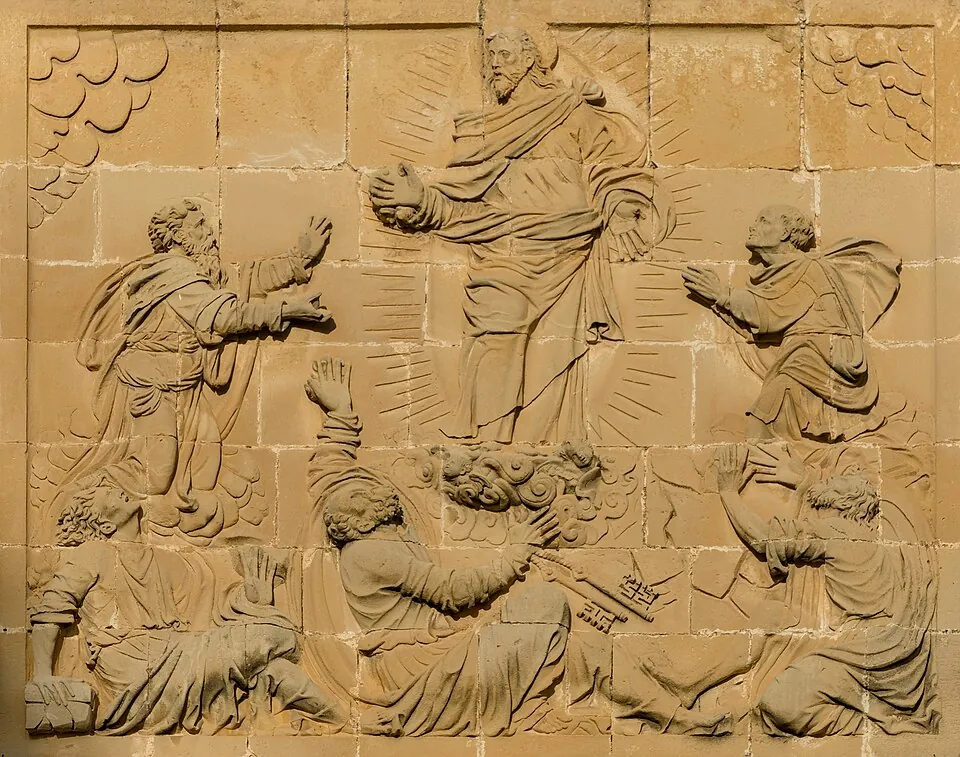
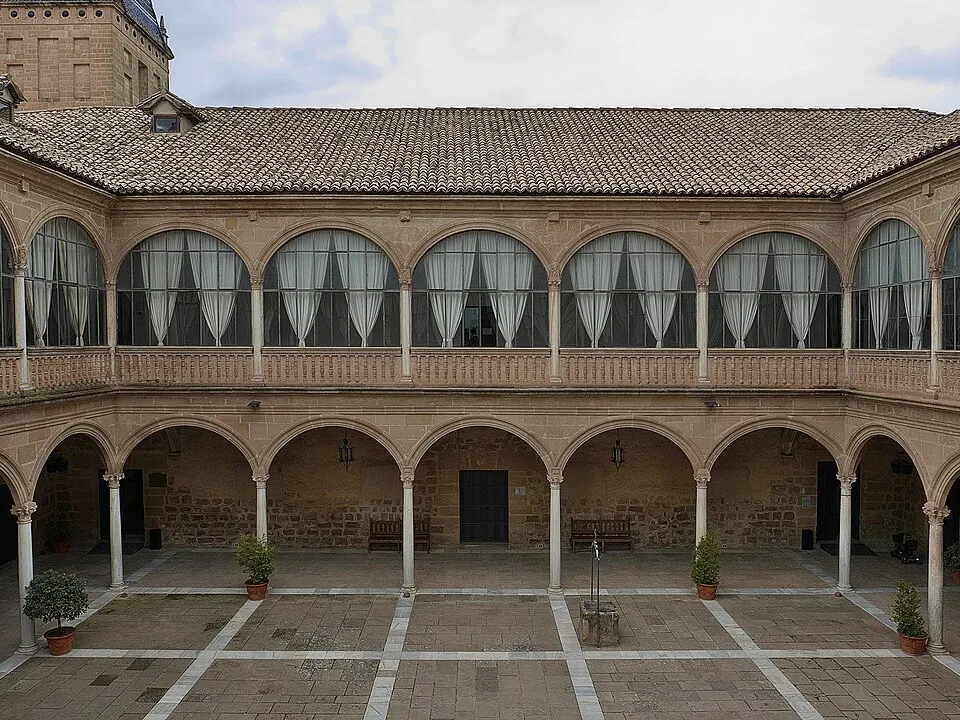
- Hospital de SantiagoVandelvira's last great work, now a cultural centre and festival venue.
- Sinagoga del AguaAn underground space with a ritual bath, discovered in a house in the old town.
- San Millán quarter and potteryWorkshops making green-glazed ceramics, a centuries-old craft.
- Redonda de MiradoresA walk along the old walls with views of the Sierra de Cazorla and the Guadalquivir valley.
Baeza
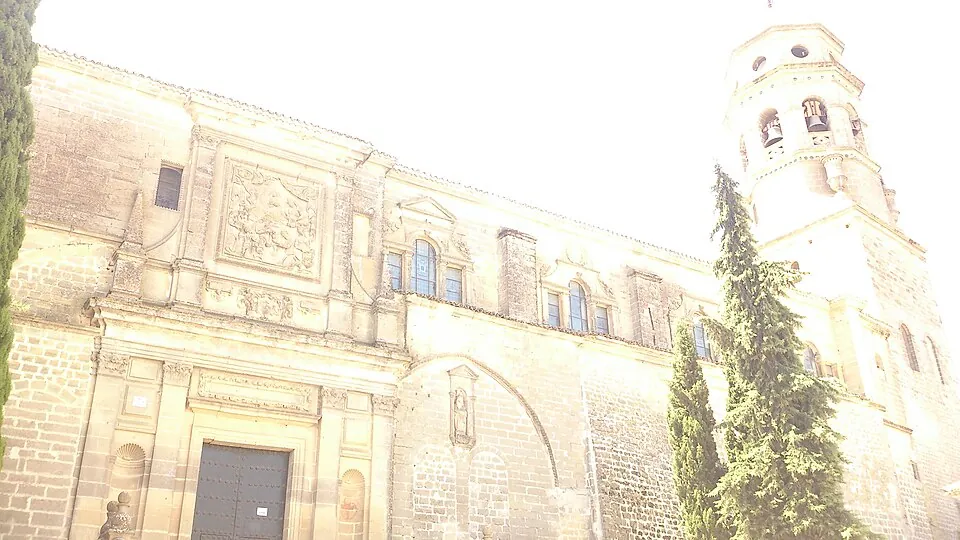
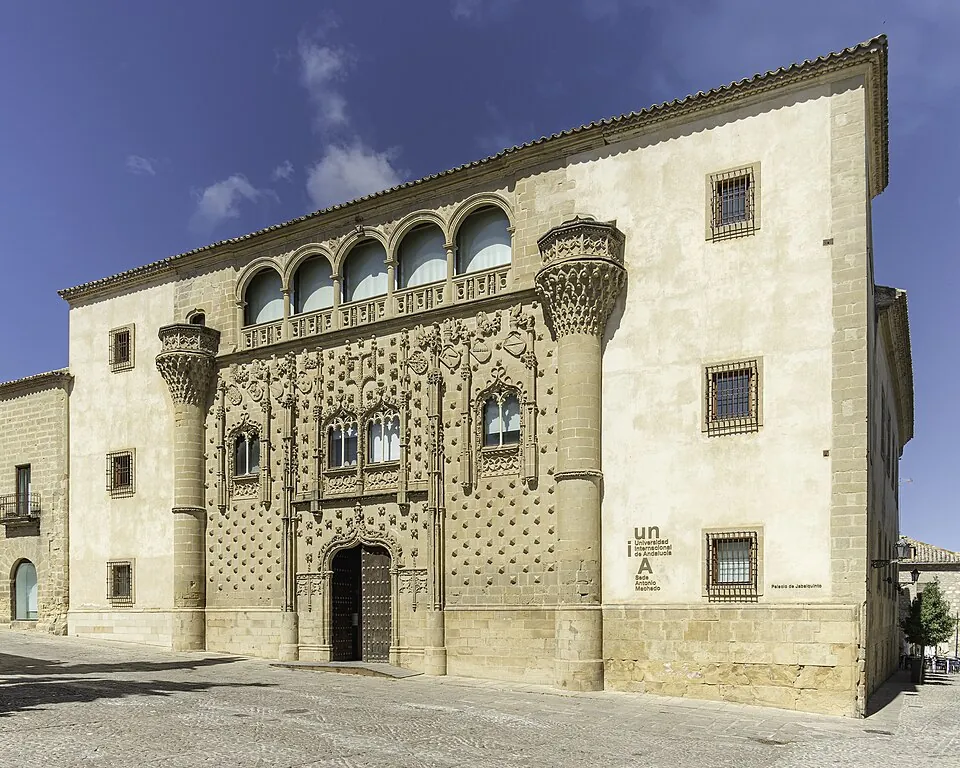
Baeza is best seen on foot, from Plaza del Pópulo, with the Lions' Fountain and the old butcher's hall, to the cathedral and Plaza de Santa María. On the way you will pass the Isabelline façade of the Jabalquinto Palace, the old university where Antonio Machado taught, and the Plateresque town hall.
Antonio Machado in Baeza
The poet taught French at Baeza's secondary school from 1912 to 1919. His classroom has been preserved, and a walk named after him looks out over the olive groves he so often described.
La Loma: Sabiote, Canena and Torreperogil
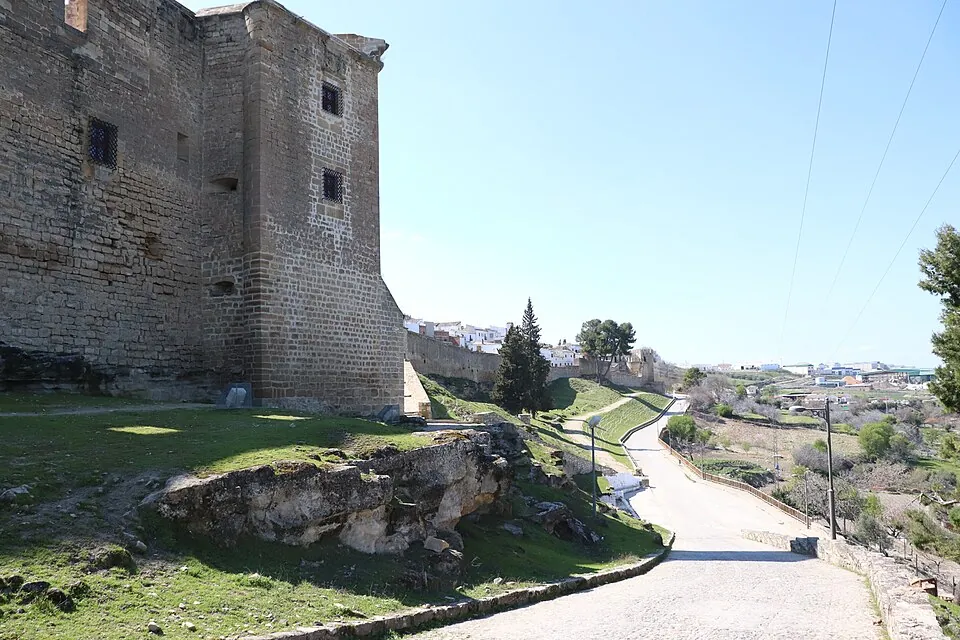
The area around Úbeda and Baeza is worth a detour. Sabiote keeps its walls and a castle turned into a Renaissance palace; Canena has another castle-palace by Vandelvira among the olive trees; and Torreperogil is wine country with family-run cellars.
Early Music Festival
Every autumn, for about three weeks between late November and early December, the Úbeda and Baeza Early Music Festival holds concerts in El Salvador, Baeza Cathedral and the Hospital de Santiago. It is the perfect excuse to visit both towns off-season.
What to eat
You eat very well in Úbeda and Baeza: andrajos (a stew with flour pancakes), ochíos (an olive-oil bread with paprika), lamb and convent sweets. Both towns have good olive mills nearby where you can taste La Loma oil.
Frequently asked questions
Can you see Úbeda and Baeza in one day?
Yes, they are 9 km apart. Spend the morning in one and the afternoon in the other, or stay overnight to enjoy them at leisure.