Monuments and archaeological sites
Iberians, frontier castles and Spain's finest Renaissance.
Key points
- Renaissance: Úbeda, Baeza and Jaén Cathedral, the work of Andrés de Vandelvira.
- Castles: the province was a frontier for centuries and has fortresses in almost every area.
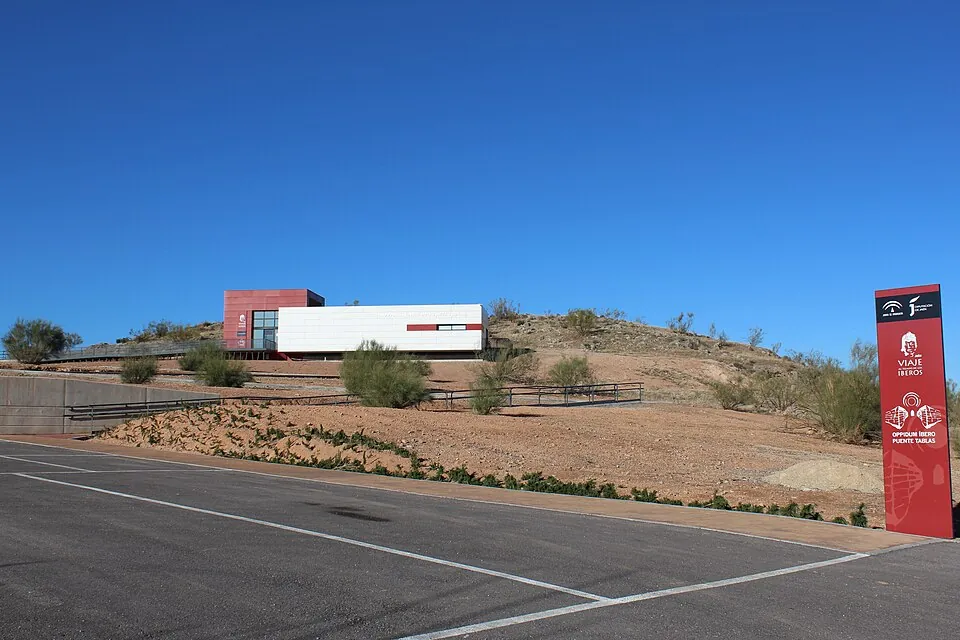
- Iberians: Jaén has Spain's finest Iberian heritage, with the Iberian Museum, Cástulo, Puente Tablas and Cerrillo Blanco.
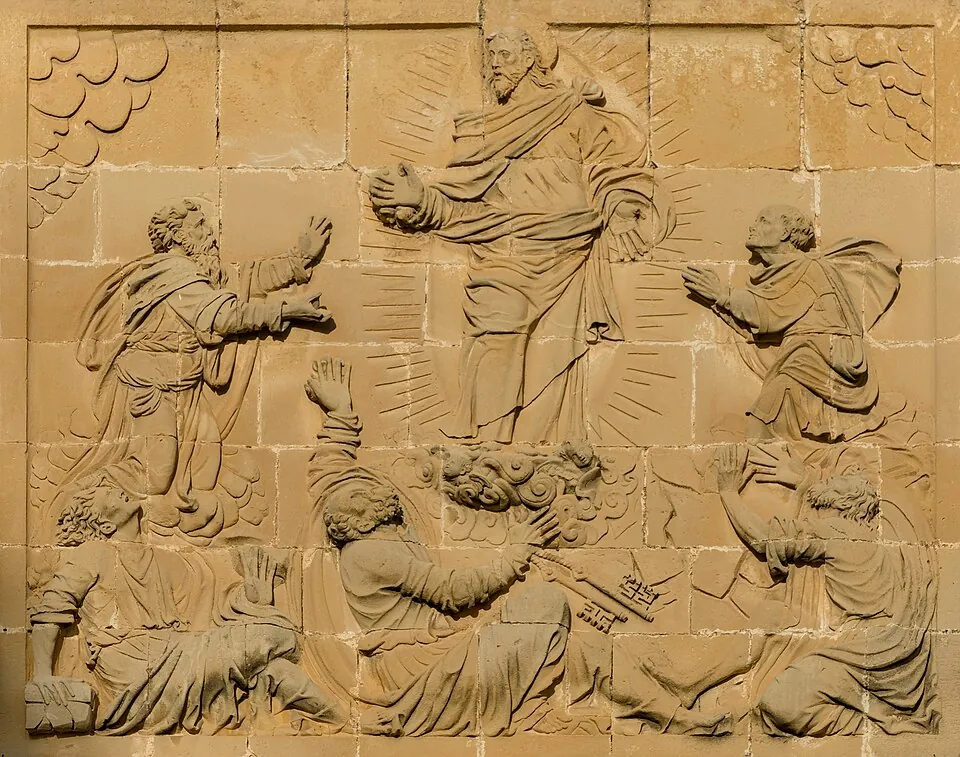
Three great chapters of history left their mark on Jaén: the Iberian peoples, who made this land one of their main centres; the medieval frontier between Castile and Granada, which filled the province with castles and watchtowers; and the Renaissance, which reached its finest expression in Spain here.
Vandelvira's Renaissance
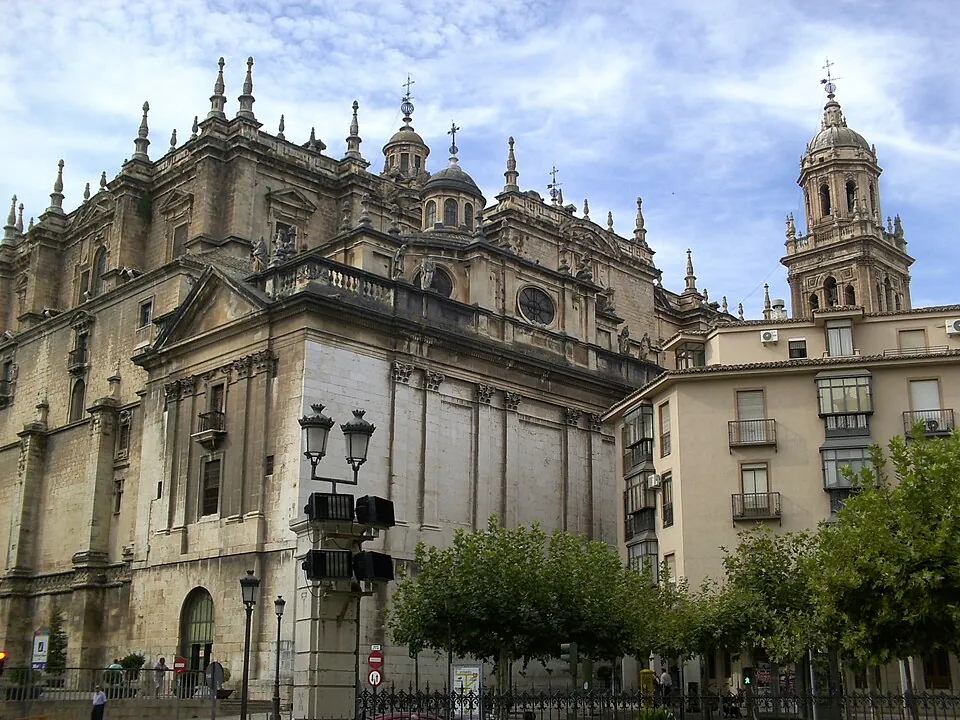
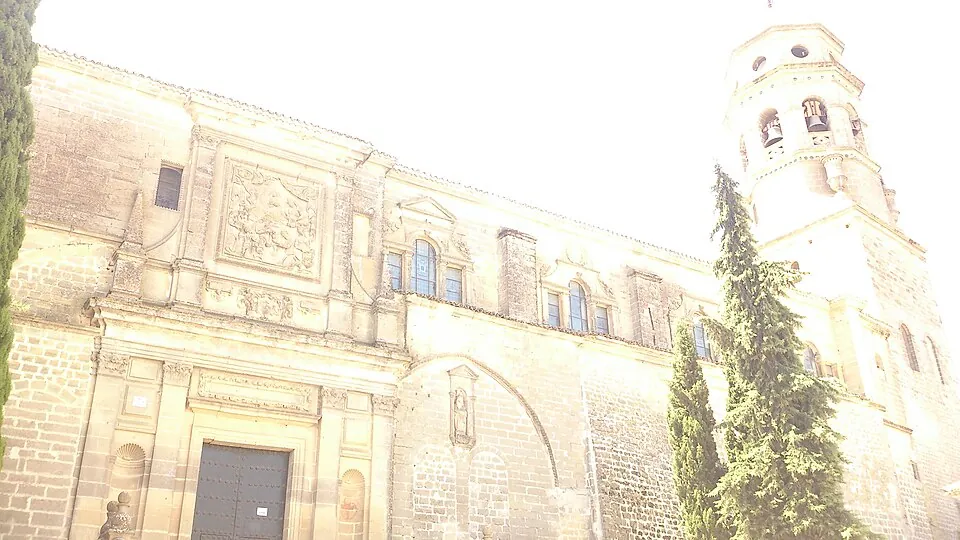
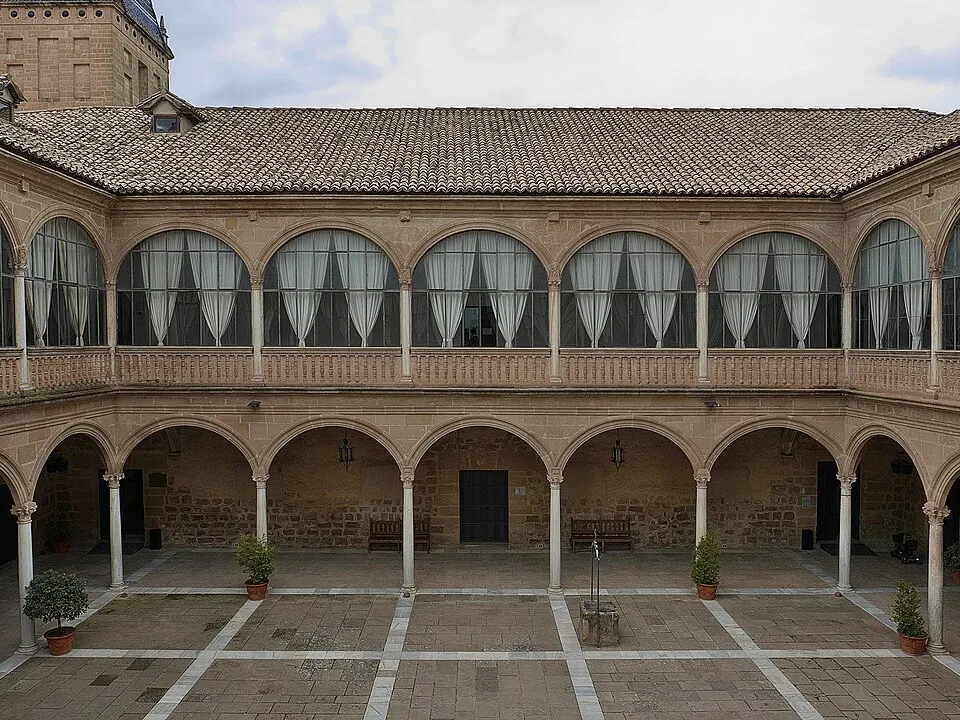
Architect Andrés de Vandelvira (1509-1575) worked in Jaén almost all his life. His major works are:
- Sacra Capilla del SalvadorÚbeda. Funerary chapel of Francisco de los Cobos, secretary to Emperor Charles V.
- Hospital de SantiagoÚbeda. His last great work, with a double-arcaded courtyard.
- Jaén CathedralHis life's work, completed after his death.
- Baeza CathedralRemodelled by Vandelvira over a mosque and a Gothic church.
- Church of Santa MaríaCazorla. Now in ruins, with the river running beneath its vault.
Castles and fortresses
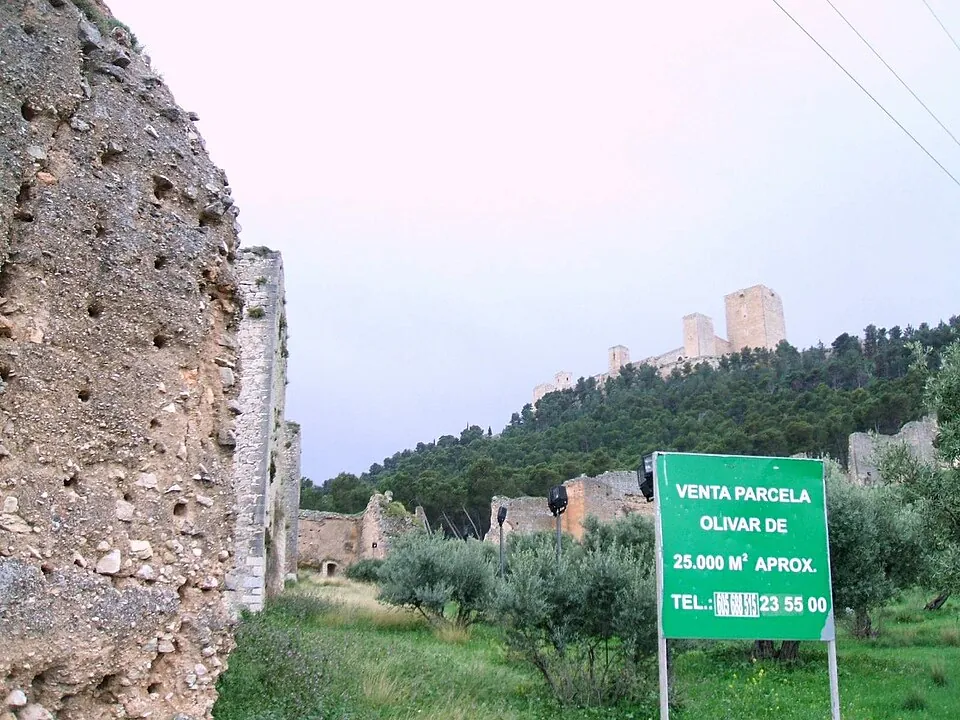
Between the Castilian conquest in the 13th century and the fall of Granada in 1492, Jaén was a frontier. From that time come hilltop castles, watchtowers and walled towns. The provincial council groups them in the Castles and Battles Route. The must-sees:
Santa Catalina (Jaén)
The capital's fortress, with a parador and the cross on the hill.
Burgalimar (Baños de la Encina)
Fourteen towers and an almost complete wall.
Fortaleza de la Mota (Alcalá la Real)
A whole fortified town on top of a hill.
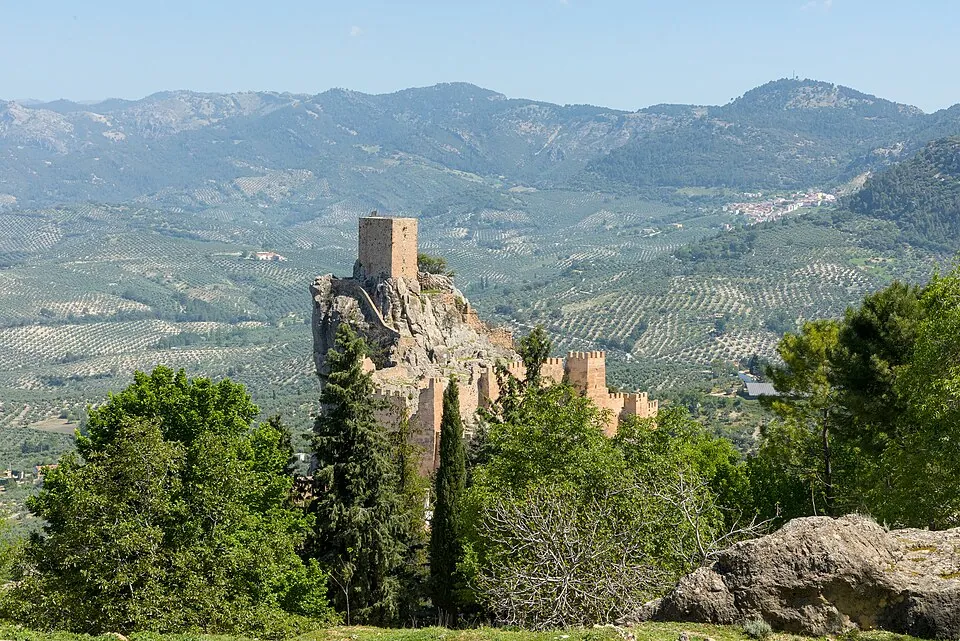
La Iruela and La Yedra (Cazorla)
Two castles two kilometres apart, the first on an impossible crag.
Segura de la Sierra and Hornos
Mountain fortresses of the Order of Santiago.
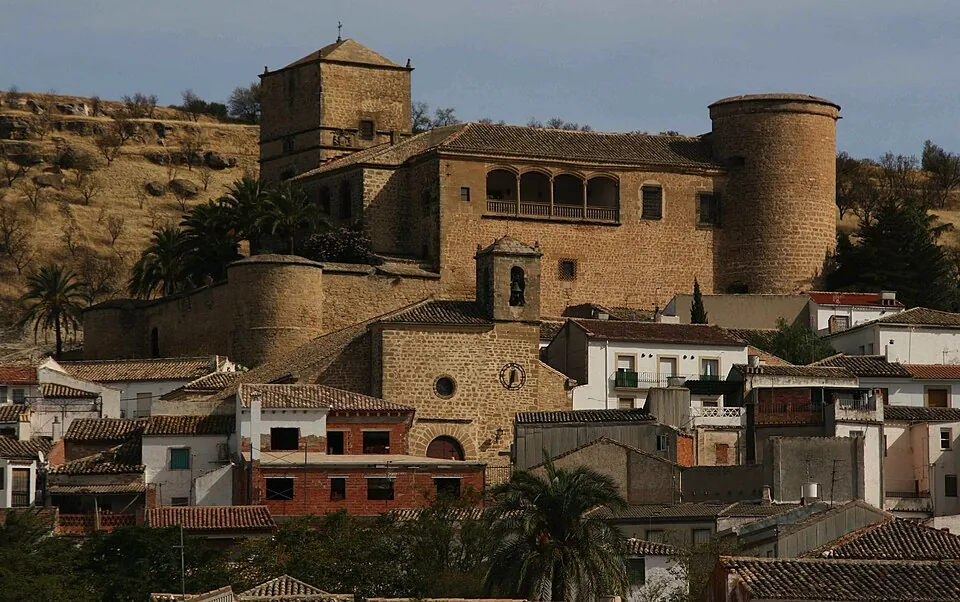
Alcaudete, Canena, Sabiote and La Guardia
Castles of the Order of Calatrava and Renaissance castle-palaces.
Iberian Jaén
More than 2,000 years ago, Jaén was the heart of Iberian culture. The provincial council presents this legacy as the Journey to the Time of the Iberians:
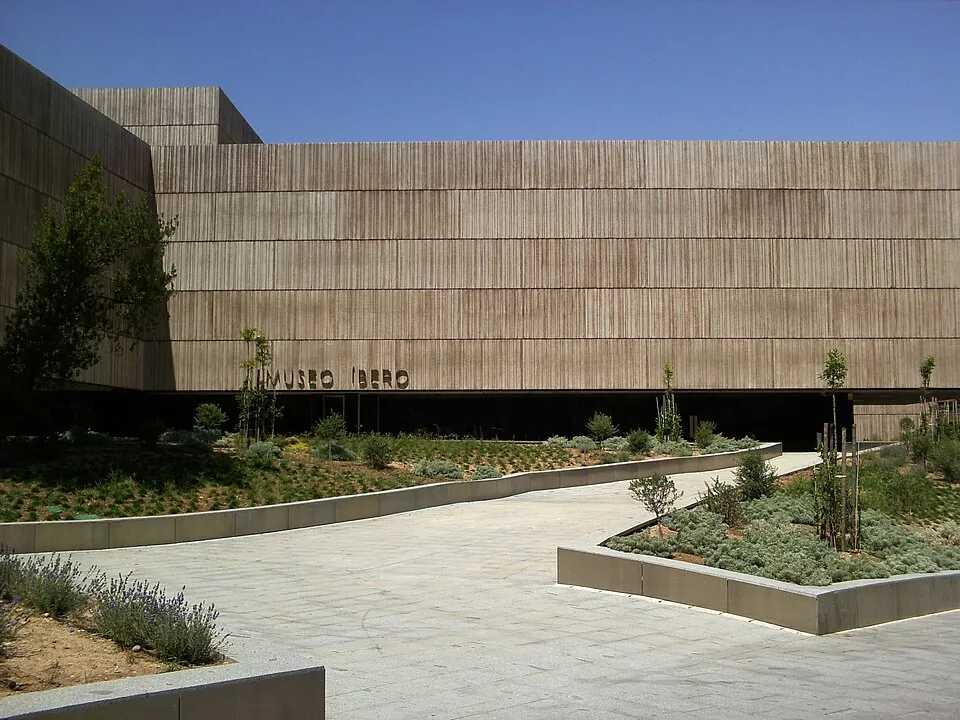
- Iberian Museum (Jaén)Opened in 2017; its star piece is the Cerrillo Blanco sculptural group (Porcuna).
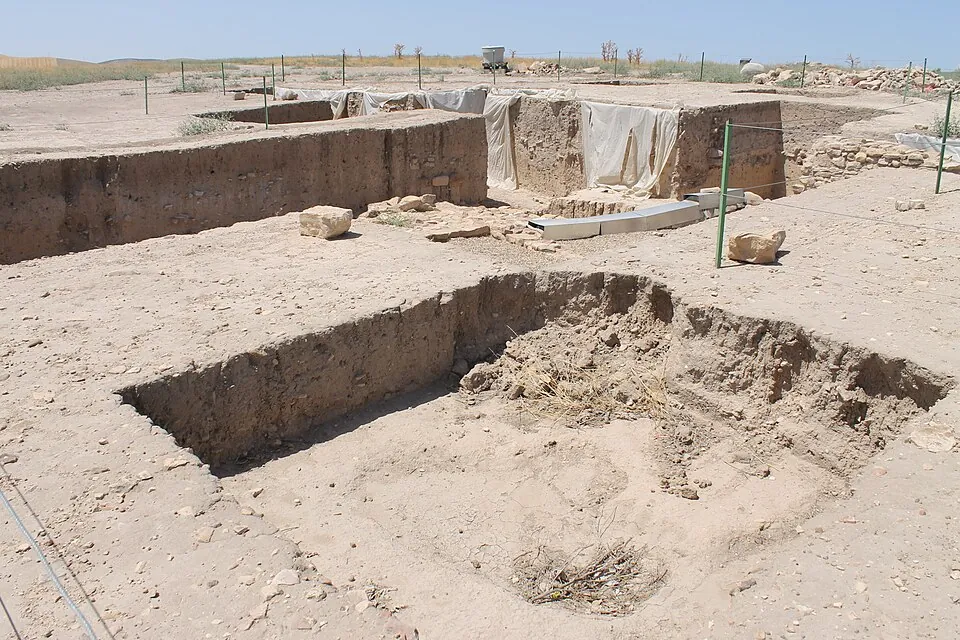
- Puente Tablas oppidum (Jaén)A fortified Iberian town with its wall and solar sanctuary.
- Cástulo (Linares)Iberian and Roman city, home of the Mosaic of the Loves.
- Toya tomb (Peal de Becerro)A princely burial chamber cut into the rock.
- Cueva de la Lobera (Castellar)A sanctuary with thousands of bronze votive offerings.
- Giribaile (Vilches)A fortified town on a rocky plateau.
Opening times
Sites and castles usually open Wednesday to Sunday and close in summer afternoons. Always check opening times on each site's website or on Jaén Paraíso Interior before you go.
Frequently asked questions
What is the Journey to the Time of the Iberians?
An itinerary by the Jaén provincial council through the main Iberian museums and sites in the province, such as the Iberian Museum, Cástulo, Puente Tablas and Cerrillo Blanco.