Olive oil tourism in Jaén
From tree to mill: the most Jaén experience of all.
Key points
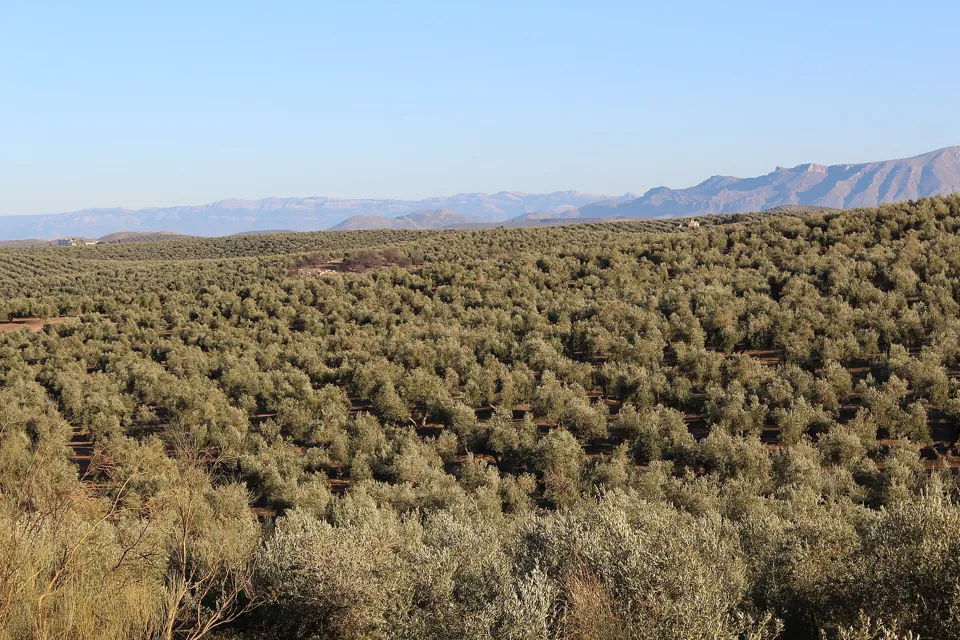
- The province of Jaén has more than 65 million olive trees and produces around a quarter of the world's olive oil.
- The best time to visit is the harvest, from November to February, when the mills are in full swing.
- Many olive mills offer a guided tour and tasting; book in advance.
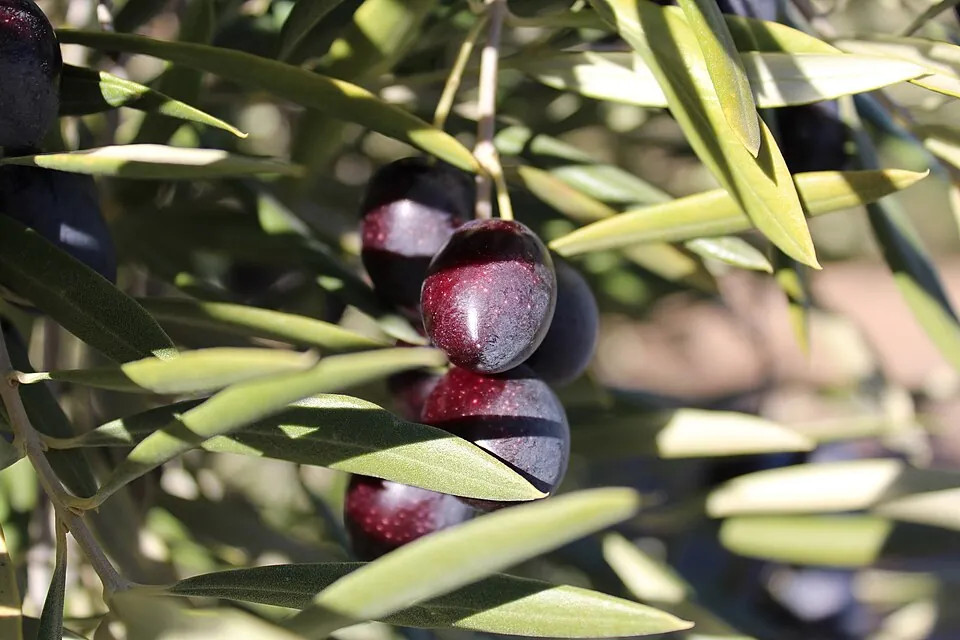
In Jaén, the olive tree is not a crop: it is the landscape. From any hilltop you see rows and rows of trees to the horizon. Olive oil tourism means understanding how olives become oil, learning to taste an extra virgin and trying the cooking that comes from it.
What you can do
How to taste olive oil
Warm the glass
Pour a little oil into a glass (blue or covered) and warm it in your hand.
Smell
Uncover it and look for aromas: freshly cut grass, tomato leaf, artichoke, apple.
Taste
Take a small sip, draw air in between your teeth and spread it around your mouth.
Assess
Bitterness and a peppery kick in the throat are virtues: they signal polyphenols and freshness.
Picual and the quality labels
The king variety is picual: intense, with green notes and very stable when heated, ideal for cooking and frying. As well as the PGI Aceites de Jaén, three areas have their own designation of origin: Sierra de Segura, Sierra de Cazorla and Sierra Mágina.
Olive museums and events
- Museum of Olive CultureAt Hacienda La Laguna, near Baeza: an old olive mill with its historic machinery.
- First Oil FestivalEvery autumn, tastings and launches of the first oils of the harvest.
- ExpolivaThe international olive oil fair, held in Jaén in odd-numbered years.
Take some oil home
Buy at the mill itself or at cooperatives. Keep the oil away from light and heat, and use it within the year: extra virgin is a fruit juice and loses aroma over time.
Frequently asked questions
When is the best time for olive oil tourism?
During the harvest, from November to February, when the mills are working and you can taste freshly made oil.